
Defrost cycle should run every 30 to 90 minutes
If the outdoor coil stays frosted longer than that without clearing, the defrost control, a sensor, or the reversing valve likely isn't doing its job.
Ice on your mini split's outdoor unit in winter usually means the coil can't shed the frost it's pulling in. A heat pump collects moisture out of the air while it heats, and that moisture freezes on the coil anytime the outdoor temperature sits near or below freezing. Normally the unit runs a defrost cycle to melt it off, the fan pauses, and you'd notice the system pump warm air for a few minutes while it clears itself. When ice keeps building instead of melting, something is stopping that cycle from working: a sensor giving the wrong reading, a defrost board that's failed, low refrigerant charge, or a fan motor that's slowed down and isn't pulling enough air across the coil. A dirty outdoor coil can cause the same buildup, since it blocks airflow the same way. Left alone, the ice keeps the coil from absorbing heat at all, so your mini split runs without putting out warm air, and the strain can damage the compressor.




If the outdoor coil stays frosted longer than that without clearing, the defrost control, a sensor, or the reversing valve likely isn't doing its job.
A mini split that clears frost on its own after each heating cycle is working right. Ice that stays or thickens points to a problem worth having checked before it spreads.
Why does my mini split ice up in winter here in South Carolina?
Every heat pump runs a reverse cycle on a timer to melt the frost off the outdoor coil, then switches back to heating. A sensor on the coil tells the board when the ice is gone and it's safe to switch back. When that sensor reads wrong, or the reversing valve sticks, the unit either skips the defrost run or starts it and never gets the signal to end it. South Carolina winters don't stay bitter cold for long, but the damp air off a mild, humid night is exactly what loads a coil with moisture fast. Once a sensor or valve is off, the ice builds faster than one cycle can clear it, and it layers on overnight.
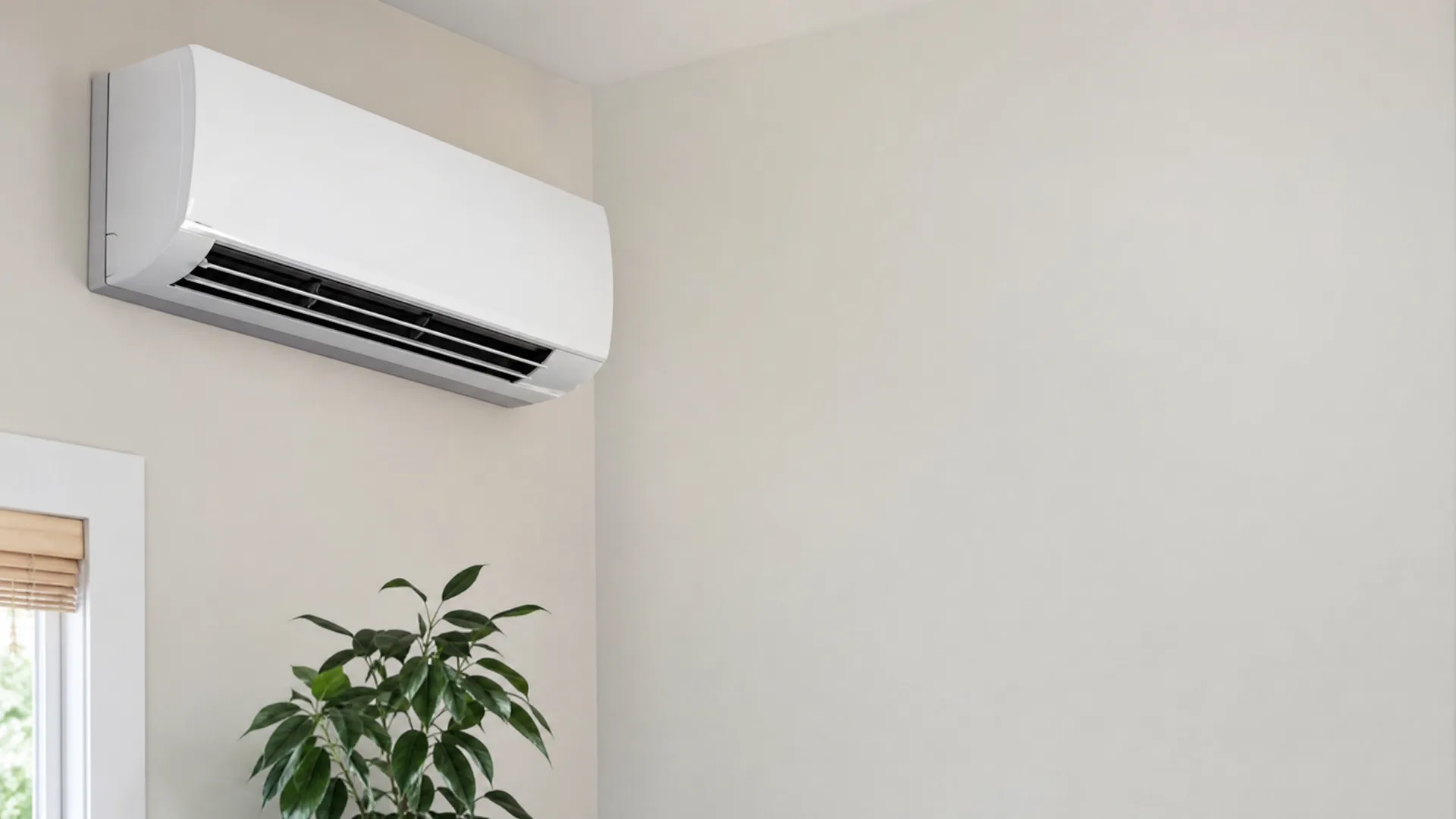
Some frost on the outdoor unit during a cold snap is normal. If you catch it mid-morning after a 30-degree night and it's gone by afternoon, the defrost cycle did its job. The unit ran its timer, reversed briefly, melted what built up, and went back to heating. No sensor or valve had to work hard to make that happen. This is the kind of ice you note and move on from.
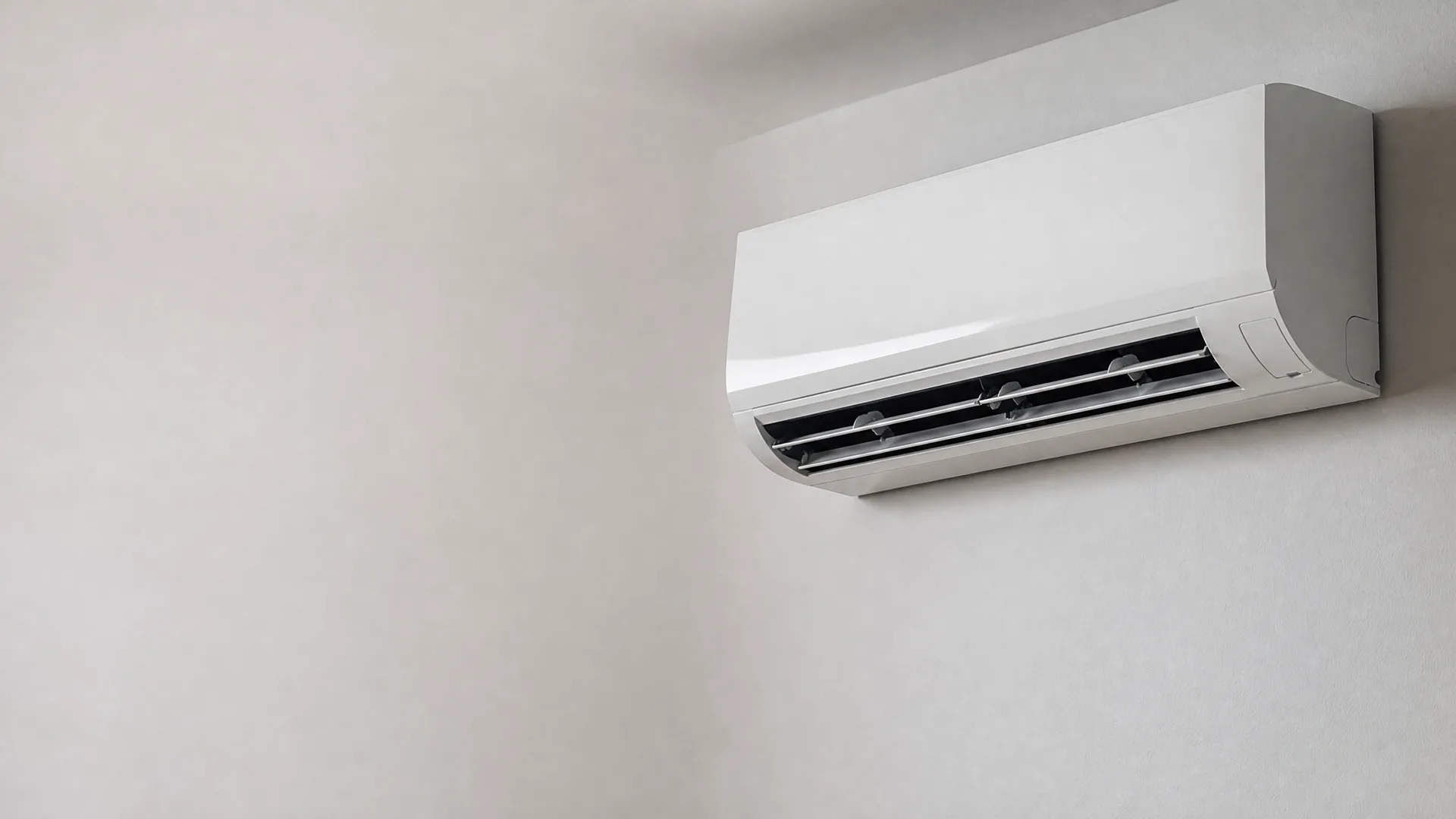
A different case is ice that returns within an hour of melting, or that builds along the bottom and sides instead of just the coil face. That pattern points to a defrost control that isn't triggering on schedule, a sensor reading the coil temperature wrong, or a reversing valve that sticks partway. None of those clear themselves. A contractor who services mini splits through South Carolina winters can tell from the pattern which part is behind it.
At 15.12 cents per kilowatt-hour, running your mini split on backup heat strips while the defrost cycle struggles costs more than a quick repair. A coil that won't clear ice makes the system lean on strip heat to keep up, and that pulls more power than the heat pump alone.
EIA-861 2025 statewide residential average


The pro who reaches out is licensed in South Carolina.
No charge to send it. You decide if you hire them.
Once ice builds past what the defrost cycle clears, the outdoor coil can't pull heat from the air the way it needs to. You'll feel it inside as a mini split that runs longer but puts out cooler air, or one that leans hard on backup strip heat to keep the room where you set it. On a cold night in South Carolina that's the difference between a room that holds 70 and one that drifts down while the unit struggles outside. Left alone, the ice keeps building each cycle instead of clearing, and the compressor ends up working against a block of frost instead of moving heat.
You already check on this kind of thing before it turns into something bigger, and a mini split with ice on it is a good one to catch now. A stuck defrost cycle rarely fixes itself. It's a sensor, a control board, or a reversing valve that isn't switching when it should, and none of those get better left running through another cold snap. A local contractor who services mini splits through South Carolina winters has seen this exact failure before and knows which part is likely behind it. Getting matched with one means a single licensed pro looking at your unit, not a string of calls to field.


Ice on the outdoor unit is just what you can see. What's actually wrong is underneath it: a defrost control, a sensor, or a reversing valve that isn't cycling the way it should. The cold outside isn't doing this to your system. Every mini split in South Carolina sees temperatures near freezing some winter mornings, and most of them never ice over past a quick defrost. Yours is stuck, and that's a part failing, not the weather winning.
Left as is, the system compensates by leaning on backup strip heat to keep the house warm, and that draws more power than the unit needs to when it's running right. It also means the ice isn't going anywhere on its own. Each cycle it can't clear is one more cycle of strain on a coil that's already working harder than it should.
A contractor who works on mini splits through South Carolina winters has likely seen this exact failure already this season, probably more than once, and knows which part tends to go first on units like yours. When you put in a request here, it goes to one licensed contractor local to you, not a handful of companies calling to bid on the job.
You caught this while it's still ice on a coil. That's a smaller fix than the one you get if the compressor ends up taking the strain instead.

A mini split pro near you




