Tell us about the job
Takes about a minute. No obligation.
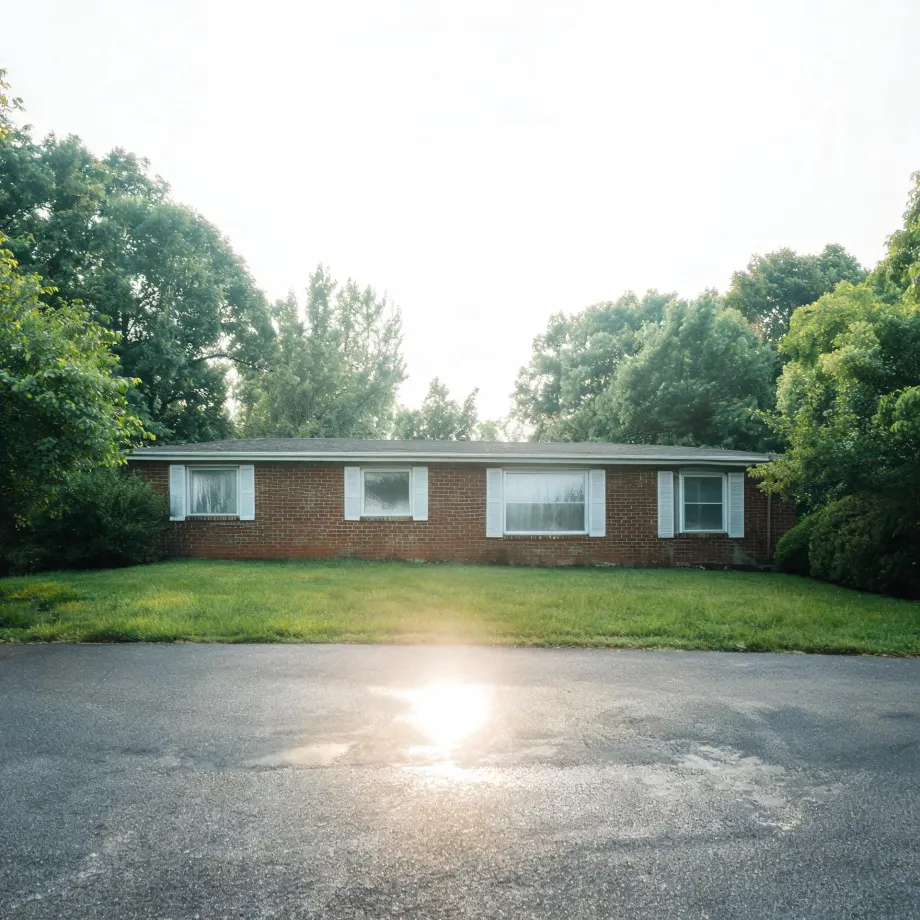
A contractor diagnosing a mini-split repair here starts with the compressor and the contactor, not the air handler. Homes in Orangeburg County, SC run cooling about five months a year, from May through September. Across those months, the compressor starts and stops thousands of times, and the capacitor that drives each start takes the brunt of that load. By the time a homeowner calls, the capacitor is often already degraded, and a contractor who replaces the visible fault without checking the compressor's draw is leaving a second repair for the following summer. Refrigerant pressure gets checked in the same visit, because a slow leak that ran all season shows up in the suction line before it trips an error code.
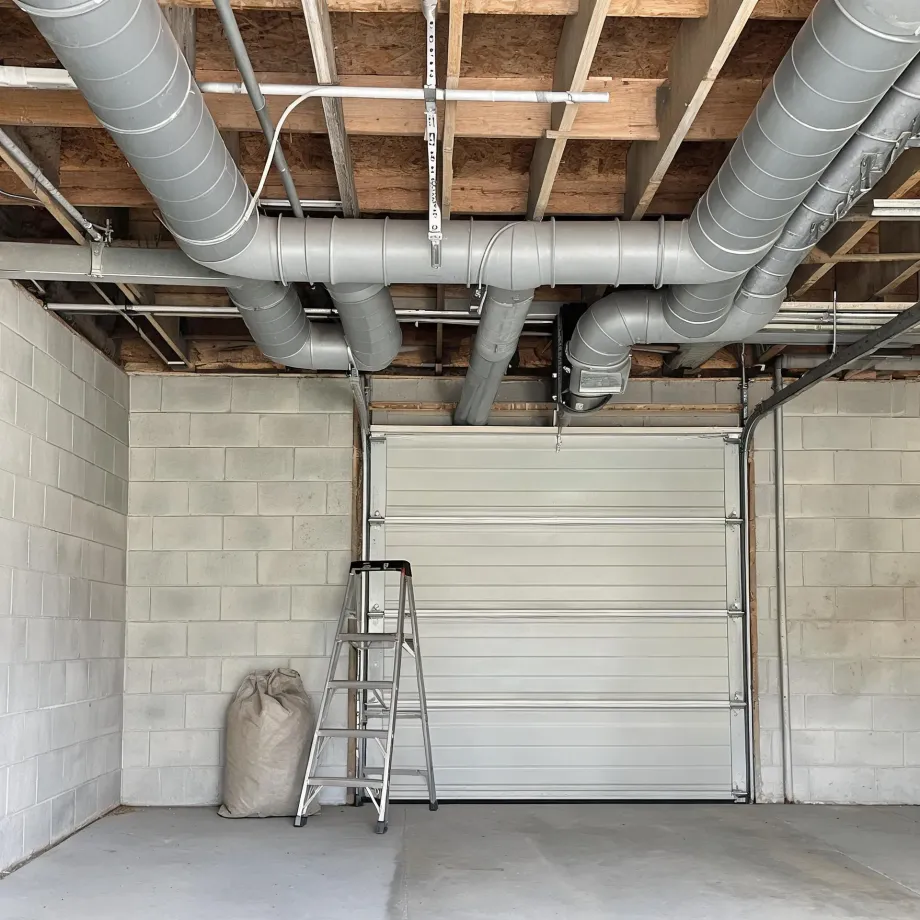
Mini-split systems installed in older homes here often inherit electrical and line-set conditions that were fitted around a predecessor unit, not the one a contractor is now opening. Half the homes in Orangeburg County, South Carolina were built in 1983 or earlier (2020-2024 ACS 5-year). That means a technician pulling a faulty board or a failed compressor is also reading whether the surrounding infrastructure was ever sized right for this system at all. A circuit that was adequate for the original equipment may be marginal for what replaced it, and a line set that was adapted rather than run fresh carries its own record of strain. The repair the homeowner called about may be straightforward; what the opened unit sits inside is the part that decides the scope.
The Parts of a Mini-split a Contractor Checks First
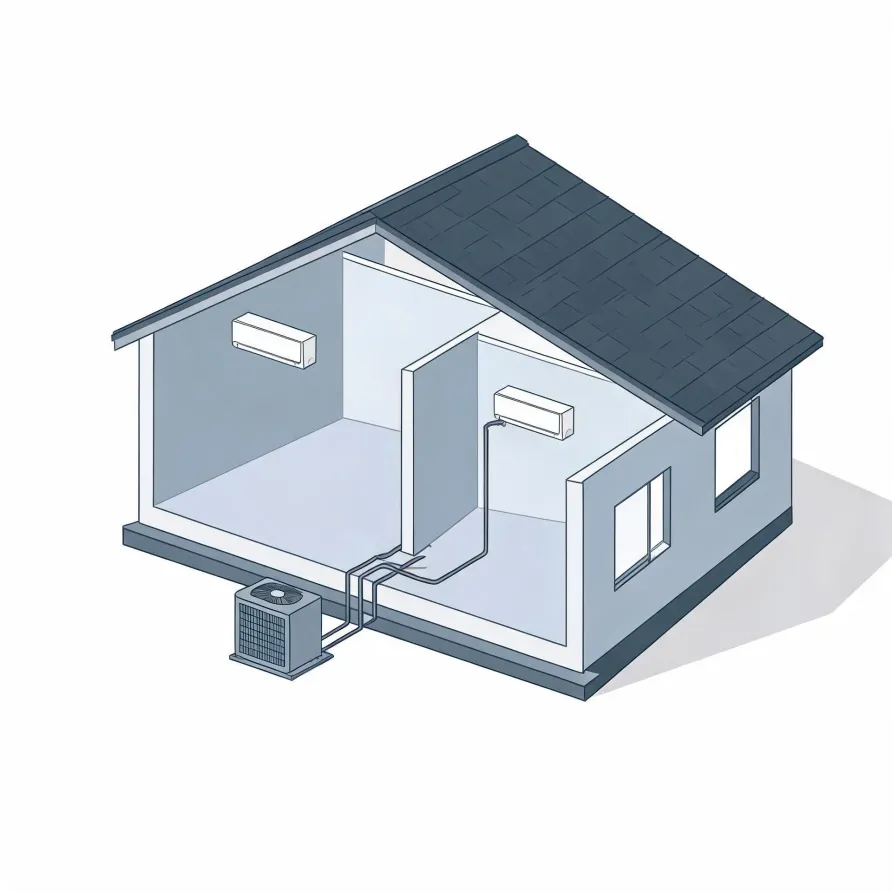
The indoor air handler mounts high on a wall inside the room and is where most visible problems show up first: a frozen coil, a clogged drain line, or a fan that has stopped moving air. Inside it sits the evaporator coil and a blower wheel, both of which a contractor inspects closely when the unit is underperforming or leaking.
The outdoor condenser unit houses the compressor and the condenser coil. The compressor is the part contractors go to when a system runs but produces no change in temperature. The refrigerant line set and the condensate drain run between the two units, and faults in either one show up as ice buildup, water stains, or warm air at the handler.
The drawing shows a typical layout, and a licensed contractor determines which components apply to your specific system and situation.
Get matched in Orangeburg CountyOrangeburg County by the Numbers
241 severe weather events were recorded in Orangeburg County, South Carolina between 2015 and 2024.
NOAA National Centers for Environmental Information, Storm Events Database, bulk CSV export, events 2015-01-01 through 2024-12-31.Half the homes in Orangeburg County, South Carolina were built in 1983 or earlier (2020-2024 ACS 5-year).
U.S. Census Bureau, 2020-2024 American Community Survey 5-Year EstimatesOrangeburg County, South Carolina holds 41,527 housing units (2020-2024 ACS 5-year).
U.S. Census Bureau, 2020-2024 American Community Survey 5-Year EstimatesOwners occupy 67.0% of the occupied homes in Orangeburg County, South Carolina (2020-2024 ACS 5-year).
U.S. Census Bureau, 2020-2024 American Community Survey 5-Year EstimatesRules & Standards Covering Mini-Split Repair in Orangeburg County, South Carolina1 sourced rules and standards
Licensing Rules for HVAC Repair in Orangeburg County, South Carolina
South Carolina requires a mechanical contractor license for contracting work whose total cost of construction is greater than ten thousand dollars.
Severe Weather Events in Orangeburg County
Weather puts a load on heating and cooling equipment, and that load shapes how hard a mini-split works and how often it needs attention. Knowing what the local record looks like puts repair demand in context for Orangeburg County homeowners.
241 severe weather events, 2015–2024. Source: NOAA National Centers for Environmental Information, Storm Events Database.