Tell us about the job
Takes about a minute. No obligation.
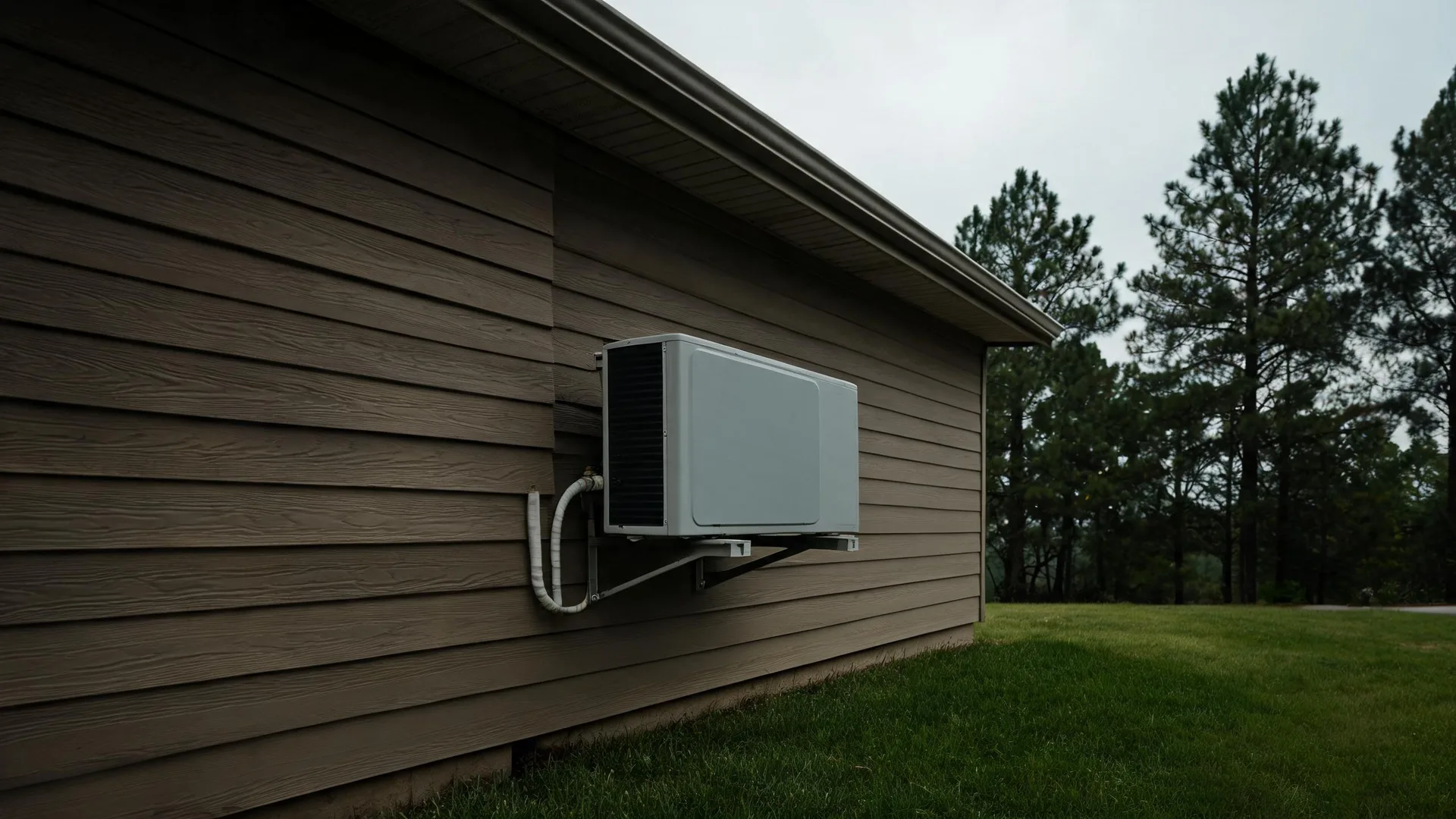
A contractor diagnosing a mini-split repair here starts with the compressor and the condenser fan, because those are the parts that have been working. Homes in Lancaster County, SC run cooling about five months a year, from May through September. Compressors that start and stop through a full cooling run develop wear on the contactor points, the capacitor, and the refrigerant seals at a rate that shows up in what a technician finds when they open the unit. A failed capacitor in a Lancaster County home is rarely a surprise; a compressor that has logged that kind of seasonal runtime is simply closer to the end of its service interval than one that sits idle most of the year.
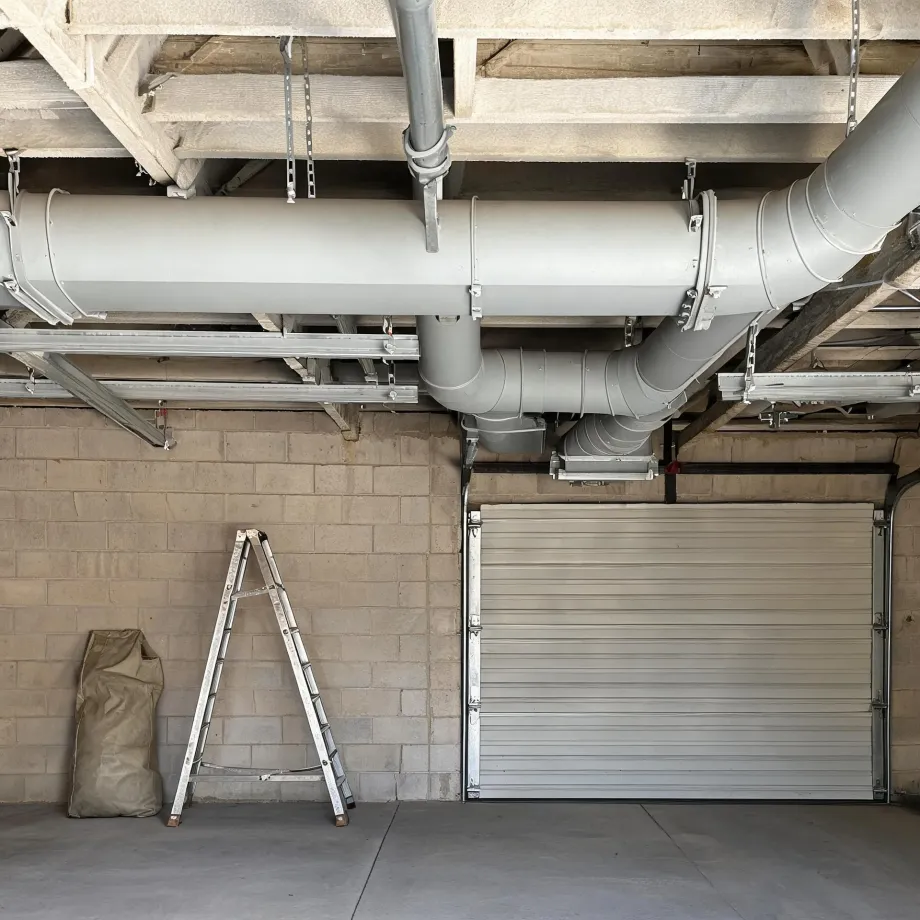
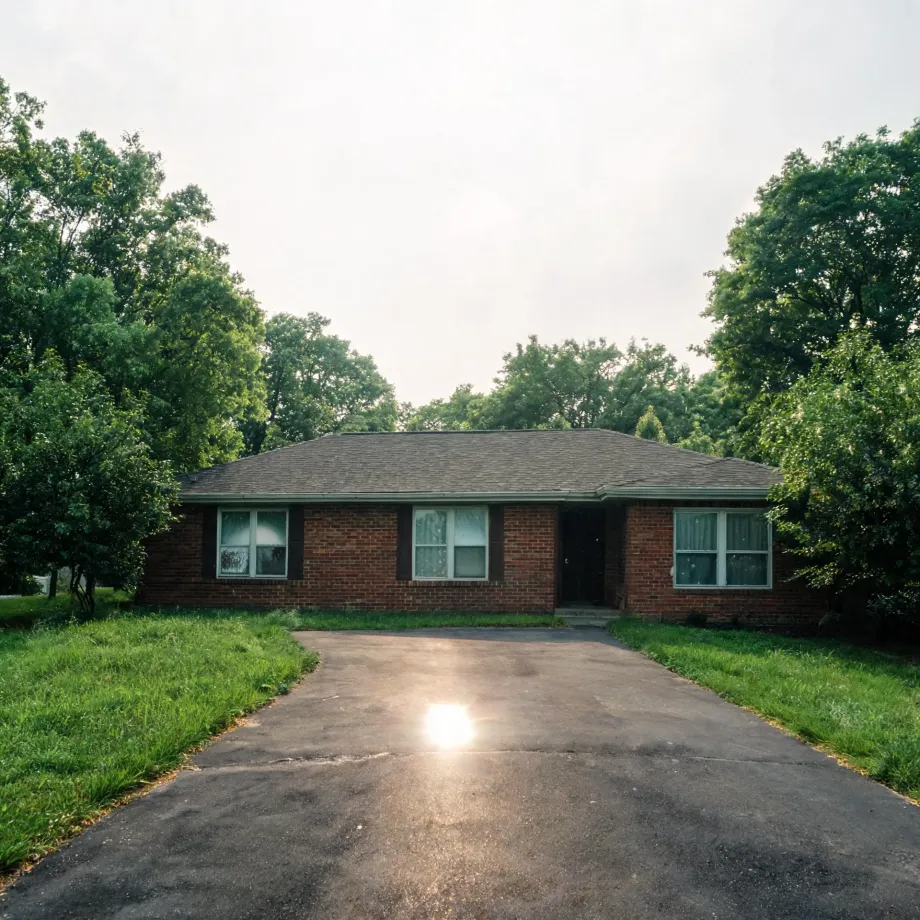
A mini-split mounted in a house that started life around a different system can carry the marks of whoever adapted it: line sets run at awkward angles, electrical circuits borrowed from existing breakers, refrigerant connections made to suit what was available at the time. Half the homes in Lancaster County, South Carolina were built in 2000 or earlier (2020-2024 ACS 5-year). That means a repair call here is not settled by what the outdoor unit reads on a gauge. Once a contractor opens the system, what they find at the connections and inside the wall determines whether the fault is in the unit or in what feeds it, and that distinction produces a different repair scope and a different set of parts.
The Parts of a Mini-split a Contractor Checks First
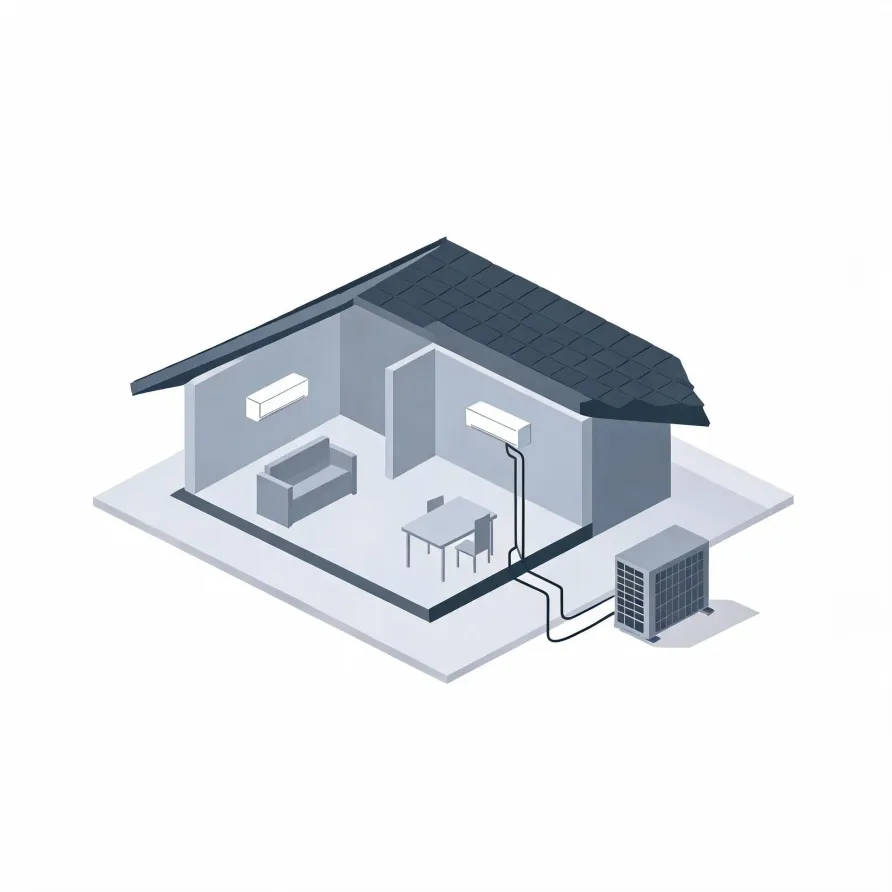
The indoor air handler mounts high on a wall inside the room and is the piece the homeowner sees every day. Its fan, coil, and drainage line are common starting points when a system stops cooling or heating properly. A failed fan motor, a frozen coil, or a blocked drain can each produce symptoms that look identical until a contractor opens the unit.
The outdoor condenser unit sits on a pad or bracket outside the house and holds the compressor, the second coil, and the refrigerant lines that run between the two units. The compressor is the part a contractor listens and tests for when the indoor unit runs but nothing changes in the room. The refrigerant lines themselves can develop leaks at the fittings, which a contractor checks with gauges before drawing any other conclusion.
The drawing shows the general layout of a mini-split system, and a licensed contractor determines which components need attention based on the conditions in your specific home.
Get matched in Lancaster CountyLancaster County, by the numbers
191 severe weather events were recorded in Lancaster County, South Carolina between 2015 and 2024.
NOAA National Centers for Environmental Information, Storm Events Database, bulk CSV export, events 2015-01-01 through 2024-12-31.Half the homes in Lancaster County, South Carolina were built in 2000 or earlier (2020-2024 ACS 5-year).
U.S. Census Bureau, 2020-2024 American Community Survey 5-Year EstimatesLancaster County, South Carolina holds 43,832 housing units (2020-2024 ACS 5-year).
U.S. Census Bureau, 2020-2024 American Community Survey 5-Year EstimatesOwners occupy 83.3% of the occupied homes in Lancaster County, South Carolina (2020-2024 ACS 5-year).
U.S. Census Bureau, 2020-2024 American Community Survey 5-Year EstimatesRules and Standards Behind Mini-Split Repair in Lancaster County, South Carolina1 sourced rules and standards
Licensing Rules for HVAC Repair in Lancaster County, South Carolina
South Carolina requires a mechanical contractor license for contracting work whose total cost of construction is greater than ten thousand dollars.
Severe Weather Events in Lancaster County
Extreme weather puts real hours on heating and cooling equipment. A mini-split running hard through rough conditions is one that earns its next service call.
191 severe weather events, 2015–2024. Source: NOAA National Centers for Environmental Information, Storm Events Database.