5°F
Cold-climate mini splits are rated to keep producing heat down to around 5°F. Standard models fall off well before that, which matters on South Carolina's coldest nights.
Send one request and you're done looking
Most mini splits lose heating power somewhere below freezing, and on the coldest South Carolina nights you're right to wonder if yours can keep up. This page gets into what the cold does to the system and when it's worth a second heat source. Once you send your installation request, the search for the right contractor is off your plate.
Hand it offMost mini splits start losing heating power once it drops into the low 20s, and by the time it hits the single digits, a lot of them can't keep the house warm on their own. South Carolina doesn't see those temperatures often, but a handful of nights most winters get cold enough that a mini split working alone will run constantly and still lose ground. This happens because the outdoor unit pulls heat from the outside air, and the colder that air gets, the less heat there is to pull. Below freezing, the compressor has to work harder for less output, and the unit may also kick into a defrost cycle that pauses heating altogether for a few minutes at a time. For most of winter here, that's not a problem. On the coldest nights, it means your mini split may need backup, whether that's a second system or just accepting the house won't hold its usual temperature until the cold breaks.




Cold-climate mini splits are rated to keep producing heat down to around 5°F. Standard models fall off well before that, which matters on South Carolina's coldest nights.
A mini split paired with electric strip heat or a furnace keeps your house warm if a hard freeze pushes past what the unit can handle on its own.


On a night in the teens, a standard mini split starts running longer and putting out cooler air, and the room it heats worst is the one farthest from the unit.
That's the room where you'll feel it first, pulling on another blanket or a space heater while the system runs and runs without catching up.


A mini split doesn't make heat the way a furnace does. It moves heat from the outside air into your house, running the same refrigerant cycle it uses for cooling, just backward. That works fine when there's plenty of heat in the air to grab. As the temperature outside drops, there's less of it to pull, so the compressor has to run harder to deliver the same warmth to your rooms. Below a certain point, frost builds up on the outdoor coil, and the system has to stop and run a defrost cycle before it can keep heating. That's when you'll feel the indoor head blow cool air for a few minutes, not a malfunction, just the system clearing ice off the coil outside. A cold-climate model handles this differently. It's built with a different compressor and a bigger outdoor coil, so it can keep pulling usable heat at temperatures that would stall out a standard unit. Once the compressor can't keep up with how fast the house is losing heat, output drops off even though the unit keeps running.


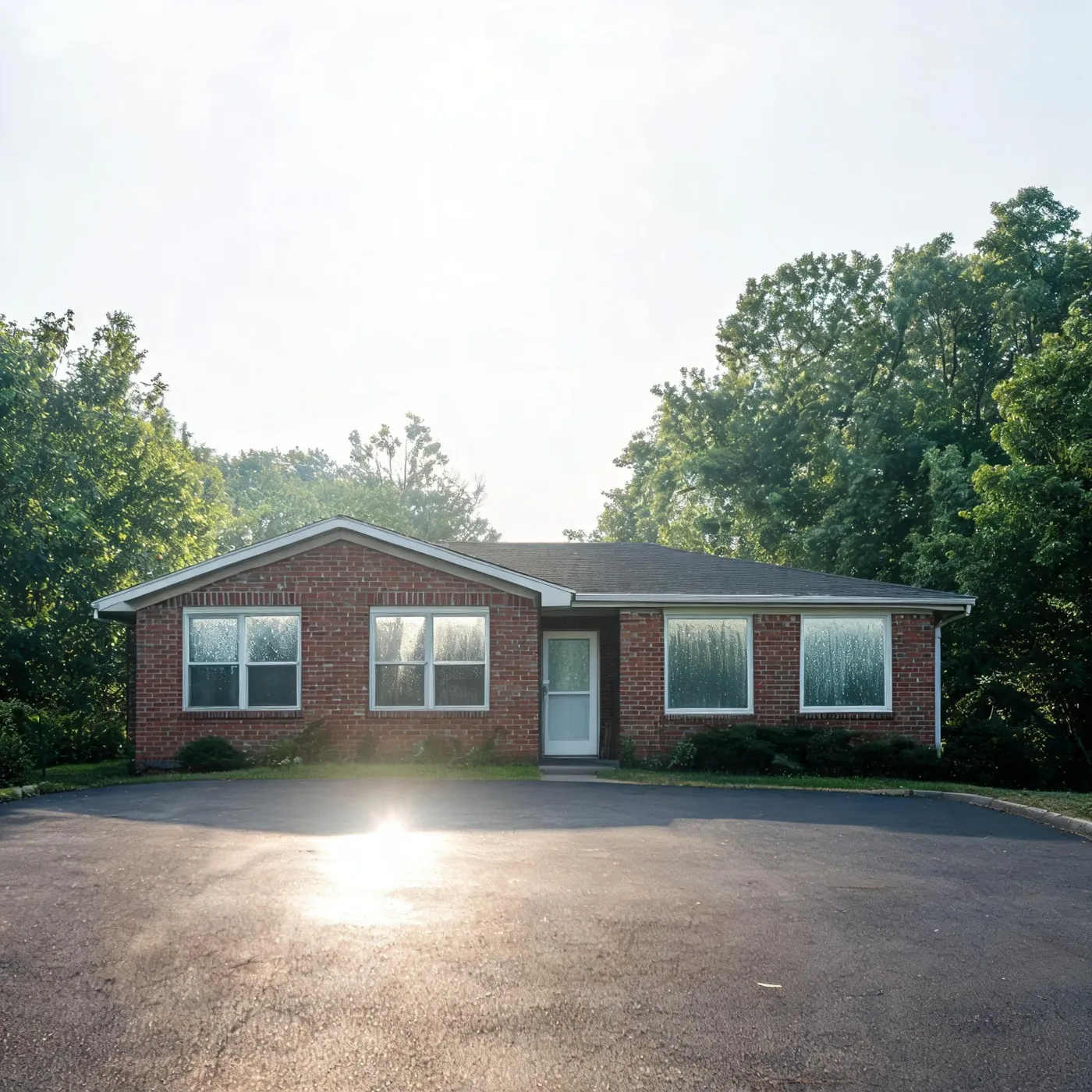
South Carolina summers run a dew point of 69°F on average across June, July and August, per NOAA. That's heavy, damp air, and your mini split has to wring a lot of that moisture out before the room feels dry. A unit sized and installed right handles that load and still holds its temperature. One that's undersized, or set up by someone unfamiliar with how these units handle humidity here, will run long and still leave the air feeling wet. A licensed local installer who works on mini splits in this climate every summer knows how to size and place the unit for that dew point, and you'll hear from just that one contractor, not a handful of companies competing for the job.
NASA POWER T2MDEW county cells weighted by homes
A standard mini split that struggles below freezing is a sizing and equipment problem, not something a filter change or a thermostat tweak fixes. The fix is either a cold-climate unit built to keep producing heat down near 5°F, or a backup heat kit wired in alongside what you have. Either way, that's installation work, and it matters who does it. A contractor who services mini splits in South Carolina all year knows which brands hold their output on a January night here and which ones fall off early, and that's not something you can check by reading a spec sheet. Send the request once and it goes to one local, licensed contractor who does this work regularly, not a handful of companies competing for your callback. You stop chasing quotes and start waiting on someone who already knows the equipment, while the rest of your winter stays as cold as it's going to get without any help on the way.

On a night in the 40s, a standard mini split barely notices the cold. It cycles on, reaches the temperature you set, and holds it without running long. The air coming out feels warm against your hand. You won't hear the outdoor unit working hard, and you won't see frost building on it. This is what most winter nights in South Carolina look like, and it's why a lot of homes here run fine on a mini split alone.

On a night in the teens or single digits, that same unit is working against air with almost no heat left to pull out. It runs longer, the air at the vent cools off, and the room farthest from the indoor unit struggles to catch up. A standard unit may ice over at the coil and need to defrost itself, cutting heat output for a few minutes at a time. This is the stretch of winter where a cold-climate unit or backup heat earns its keep.
You've probably noticed the outdoor unit running almost constantly on the coldest nights, and the air coming out of the indoor head feeling cooler than it did in November. The room it serves worst, usually the one farthest from the indoor unit or with the most windows, is the one where you reach for a sweater or a space heater first. You might hear the compressor laboring, a steadier, louder hum than on a mild evening. If the unit is undersized or isn't rated for cold climates, this is normal strain, not a sign anything is broken. Left alone on the coldest stretch of nights, it means that room stays uncomfortable all winter, and running a space heater alongside it adds to your electric bill without fixing the real problem.

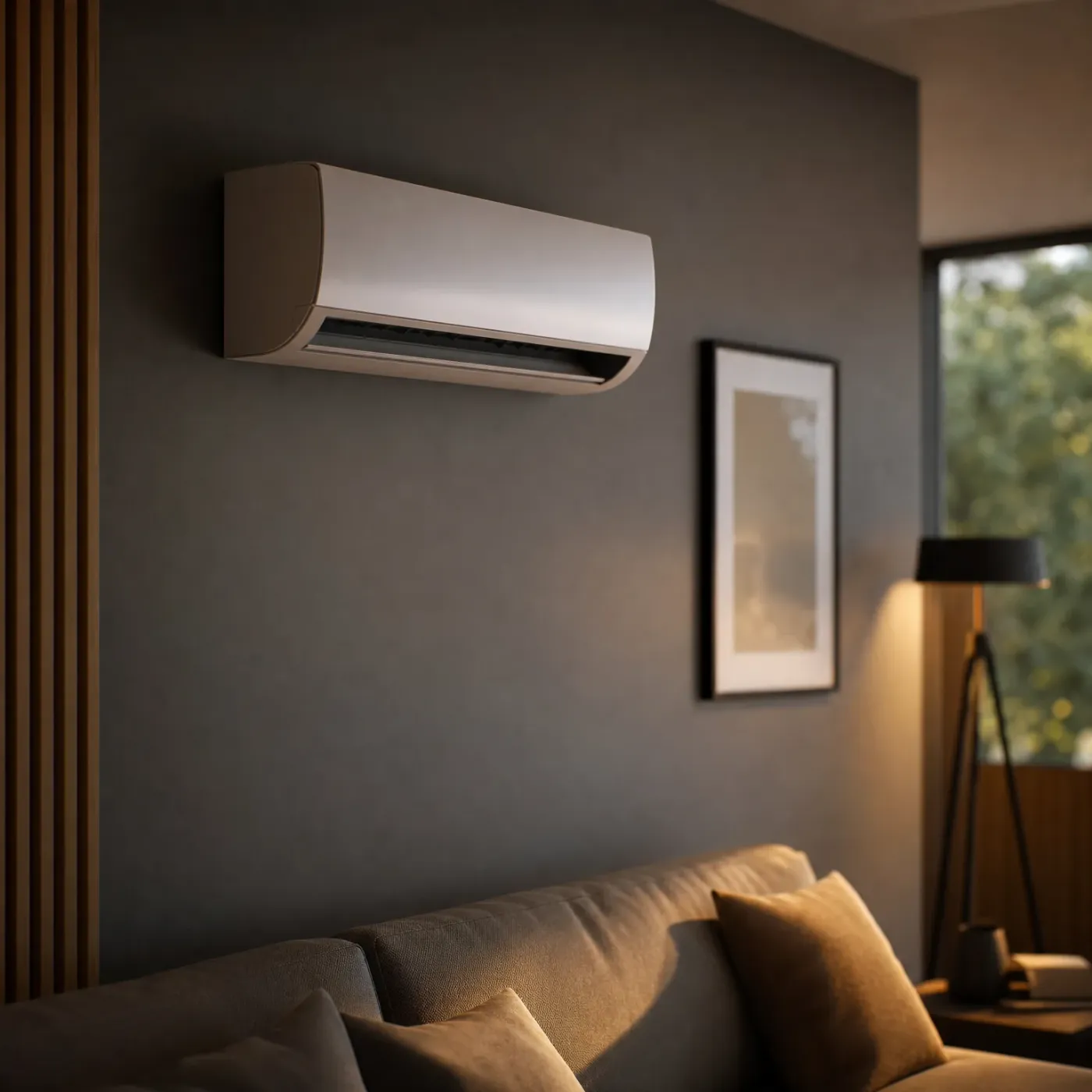
This is a mini split that isn't straining. The casing stays white, the wall around it stays clear, and the room holds the temperature you set without the unit running nonstop to get there.

The discoloration on this casing and the marks on the wall come from long hours of hard running. On a cold night that's a unit falling behind, not one that's just old.
Most homes here heat with electricity, so how hard your mini split works on a cold night shows up directly on the bill. At 15.12 cents a kilowatt-hour, a unit straining to keep up costs more to run than one sized right for South Carolina winters.
EIA-861 2025 statewide residential average
A standard mini split holds up fine through most of a South Carolina winter. It's the handful of nights in the 20s and below where it starts to lose ground, and that's not something a filter change fixes. It's a question of whether the equipment was sized and chosen for those nights in the first place.
Someone who installs these year-round in South Carolina has seen what happens when a standard unit gets asked to carry a house through a hard freeze, and seen what a cold-climate unit or a backup heat kit does instead. That's the kind of judgment that doesn't come from a spec sheet. It comes from having stood in front of enough of these systems in January to know which ones are still putting out warm air and which ones are just running.
Sending the request through this page puts it in front of one licensed contractor working in your area, not a handful of companies competing for the job. You get one call to deal with, from someone who already knows the equipment and the climate, instead of a stack of quotes to sort through on your own.
Whether your mini split needs backup heat for the coldest nights or just needs a closer look at how it's sized, that's a conversation worth having before the next cold snap rolls through. The equipment question has an answer. Getting it looked at is the part that's still yours to do.

One request and it's handed off