

Does a mini split lower heating bills in South Carolina
One request and the search for a pro is handled.
Let a pro reach outWill a mini split lower my heating bill in South Carolina?
You heat with electricity now and you're wondering if a mini split would actually bring that bill down, or if it's just a different way to spend the same money. You want to know before you commit to anything.
Usually, yes, if it's replacing baseboard or resistance heat
A mini split moves heat into your home instead of generating it with resistance coils, the way baseboard heaters and most electric furnaces do. That difference is what lowers the bill. For every unit of electricity it uses, it delivers several units of heat, where straight electric heat delivers only what it draws. South Carolina winters are mild enough that a mini split can run efficiently most days without working hard to keep up. If your home heats with electric resistance now, switching that load to a mini split is where the savings show up. If you already have a heat pump system, the gain is smaller, since you're comparing one efficient system to another.





What it changes in your house, not just the bill
Right now you're heating with straight electric resistance, which means every bit of warmth in your house cost you a dollar's worth of electricity to make. A mini split moves heat instead of making it, so for the same money it puts more warmth into your rooms. You'd feel it first in whichever room carries the head unit: steadier temperature, no more running a space heater in the room the electric baseboard doesn't quite reach. The risk is sizing. A mini split picked for your square footage without a look at your windows, your insulation, and your layout will leave a cold spot or run harder than it should.
What a mini split won't fix is anything upstream of it: a leaky attic, a door that doesn't seal, ductwork if your house still has any feeding other rooms. It lowers the cost of the heat you keep, not the heat you lose. Finding someone who'll actually come look at your house before quoting a system, rather than guessing a size over the phone, is most of the work here. Send the form and that search is off your plate.

Why moving heat costs less
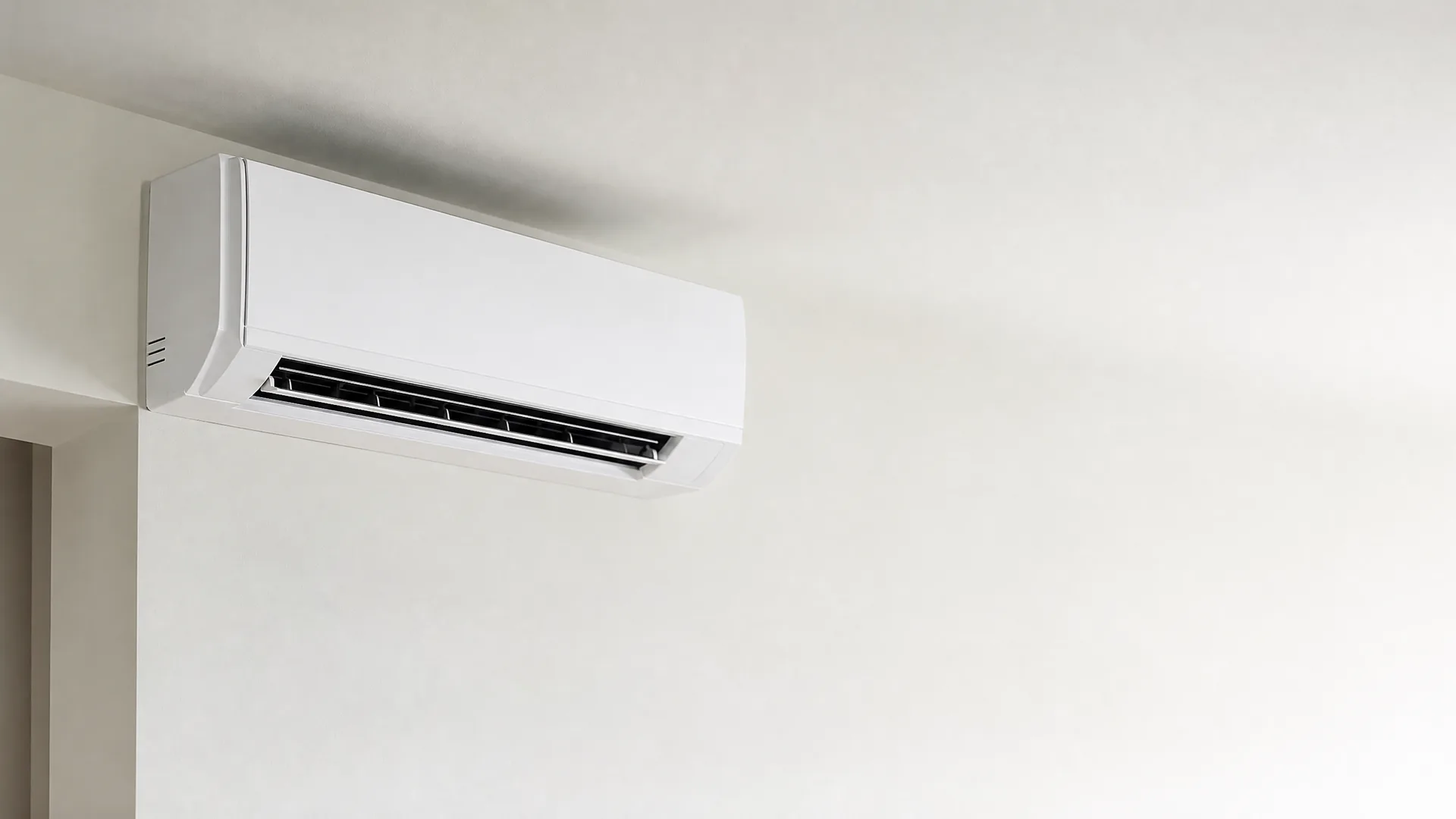
Electric resistance heat, like baseboard units or an electric furnace, turns one unit of electricity into one unit of heat. A mini split's outdoor unit pulls heat from the outside air and moves it inside, so it can deliver two, three, even four units of heat for every unit of electricity it uses. That ratio is why the running cost drops even though the power rate hasn't changed.
Where it holds up outside
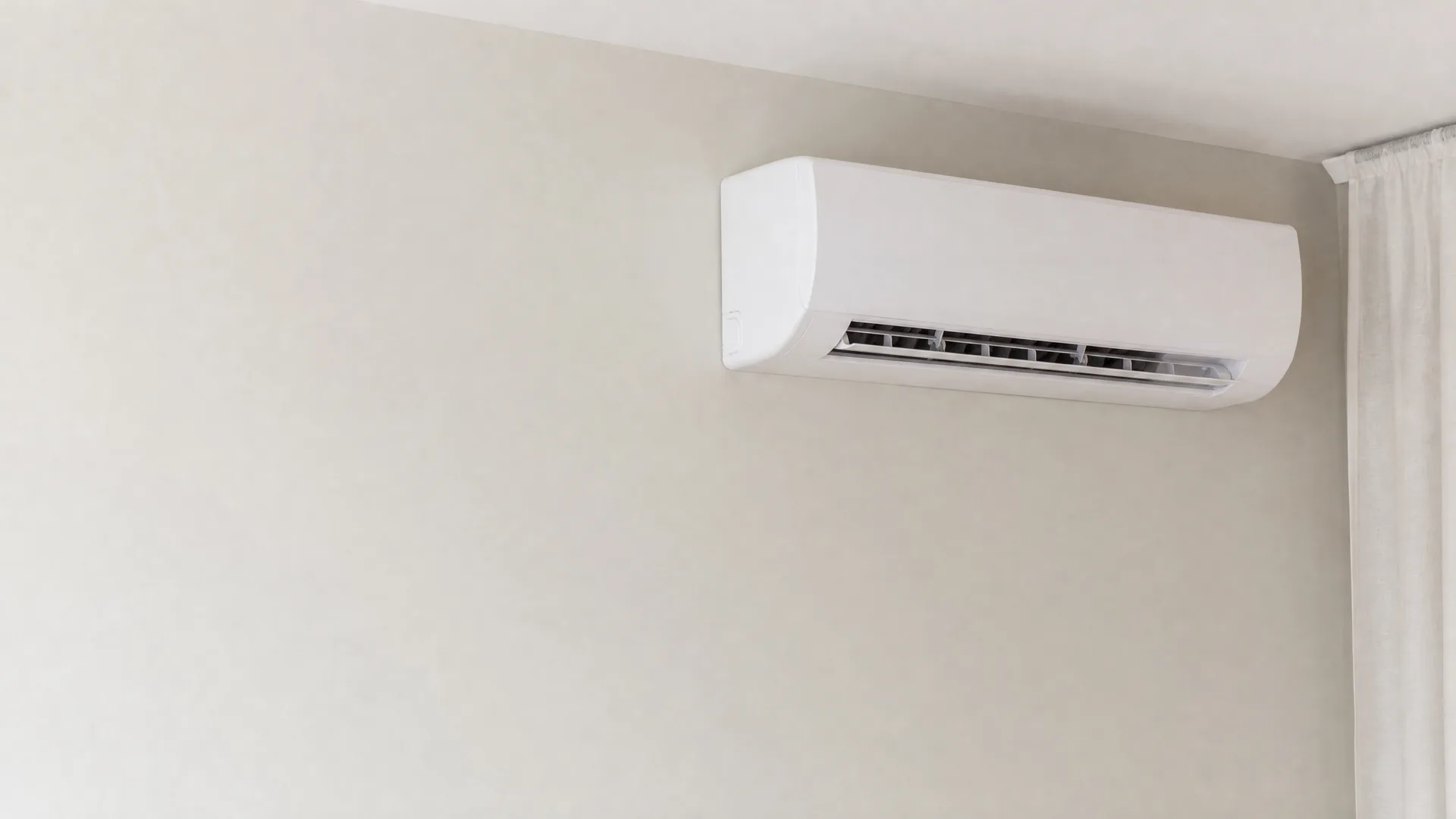
Mini splits built for heating keep pulling warmth from the air even when it's cold outside, down well below freezing for most models sold today. South Carolina winters rarely push a heat pump to that edge the way a northern state would. The colder it gets outside, the harder the unit works and the less heat it moves per unit of electricity, so the savings are largest on the mild days that make up most of a Carolina winter.
Power costs 15.12 cents per kilowatt-hour statewide
At 15.12 cents a kilowatt-hour, every unit of heat a mini split moves instead of makes is money back in your pocket. Running straight resistance heat at that rate adds up fast over a South Carolina winter. The less electricity it takes to keep your house warm, the smaller that difference gets.
EIA-861 2025 statewide residential average
Keep the electric baseboard or furnace you have now and every degree of warmth still costs a full dollar's worth of power to make, same as it did last winter and the one before that.
Install a mini split instead and it moves heat from outside air rather than making it from scratch, so the same warm house can cost less to run through a South Carolina winter.


Done looking for a mini split pro

Skip collecting and comparing quotes for the new mini split.
You're not committing to anything by asking.
A mild night versus a hard freeze
On a mild January night, when it's 45 degrees outside, a mini split is doing its best work. There's still plenty of heat in that air for the outdoor unit to pull in and move inside, and it takes less electricity to do it than straight resistance heat would use to make the same warmth. Most nights in South Carolina fall in this range, which is why the savings show up over a full winter.
What happens on the coldest nights
When a hard freeze moves through and temperatures drop into the 20s, a mini split has to work harder to pull heat from that colder air, so it draws more power than it did the night before. Some models switch on a backup heat strip at the coldest end, which runs more like the electric heat you had before. Those nights cost more than a mild one, but they're a smaller share of a South Carolina winter than the mild nights are.


What this comes down to
- A mini split lowers your heating bill in South Carolina because it moves heat instead of making it from scratch.
- The savings show up most on the mild nights that make up most of a South Carolina winter, not just on the rare hard freeze.
- Your electric baseboard or furnace still turns every dollar of power into exactly a dollar's worth of heat, no more.
- At 15.12 cents a kilowatt-hour, the gap between moving heat and making it adds up over a full winter.
- Once installed, the mini split keeps doing this math for you every night it runs, without you tracking a thing.
A mini split lowers your heating bill because of how it makes heat, not because of anything special about the weather here. Your baseboard or furnace turns electricity into heat one for one, every night, every winter, no matter how mild it is outside. A mini split pulls heat out of the outside air instead of generating it, so it delivers more warmth per dollar of power than resistance heat ever can. That difference is there on the cold nights and on the mild ones, and South Carolina has far more mild ones. At 15.12 cents a kilowatt-hour, that gap is real money, and it adds up across a full season without you having to think about it once the unit is running.
The harder part was never understanding the math. It's finding a contractor who sizes the unit right for your house, pulls the right permits, and installs it so it actually runs the way it's supposed to. That usually means calling around, explaining your situation to each one, waiting on quotes, and comparing them against each other with no easy way to tell who's worth it. Sending the form here skips that part. You're not left to sort through contractors on your own or repeat your situation on the phone five times. Someone qualified gets matched to the job, and the work of finding them stops being something you have to do.

Mini Split Installation
It's off your list after this

- Get in touch with a local installer about a new mini split.
- A local installer who puts in mini splits gets your project.

- One request ends the search for a mini split installer.
- Once you send the form, finding a pro is off your list.

- Explain the job once and skip repeating it on every call.
- Skip searching for a mini split pro and answer a few questions instead.

- One installer gets your project, so there's no bidding war over it.
- Only one pro gets your request, so you hear from one company.