

Can a mini split heat a basement in a South Carolina winter

Step 1 of 3: Equipment

Can a mini split heat a basement in a South Carolina winter

Basements run colder than the rest of the house, and a mini split in that part of a South Carolina home still has to earn its keep on the coldest nights, not just the mild ones. You're trying to figure out if the system you have, or the one you're looking at, actually covers the basement once temperatures drop in January, or if it's going to leave that room cold while the rest of the house is fine.

Yes, if it's sized and installed for the basement itself

A mini split can heat a South Carolina basement through the winter, but the basement has to be treated as its own space, not an extension of the room above it. Basements lose heat differently than upstairs rooms do, through the foundation walls and the ground around them, and a unit sized for a bedroom or living room won't necessarily cover that load. South Carolina winters don't put the same demand on a heat pump that colder states see, so a mini split rated for the space will keep up without backup heat in most of the state. Most homes here already run on electric heat, so running a mini split through the winter fits how the house is set up. What matters is whether the unit was sized for the basement's actual heat loss, not just its square footage.

A white wall-mounted mini-split air conditioner unit installed high on a beige interior wall below white crown molding, with a window and woven shade at the left edge showing green foliage outside.

Sized right for the basement

A mini split matched to the basement's square footage keeps pulling heat out of the winter air on a 30 degree night, not just a 50 degree one. You feel even heat at the vents and the unit cycles off and on like it should.


A dusty, stained white wall-mounted mini-split air conditioner indoor unit installed high on a plain off-white interior wall near the ceiling.

Sized wrong, or never serviced

A unit that's too small for the space runs nonstop and still leaves corners cold. Dust and grime like this on the coils block airflow, so the system works harder for less heat, and the basement never quite catches up.

A smiling woman with long dark hair in a gray sweater sits at a white stone counter with a glass of white wine, with a kitchen, fireplace and sofa visible behind her.
A smiling woman with dark hair in a cream sweater sits at a marble table with a glass of red wine, with a lit lamp, sofa, fireplace and kitchen counter behind her.
A woman in a cream sweater laughs while seated at a marble countertop with a glass of red wine, with a dimly lit living room and sofa behind her.
A woman in a beige turtleneck sweater with her hair up sits laughing and looking to the side at a white marble table with a glass of red wine, in a dimly lit interior with a lamp and seating area behind her.

How the unit pulls heat from cold air

A mini split in heating mode runs the refrigerant cycle backward. The outdoor unit pulls heat out of the outside air, even when that air is cold, and moves it inside through the refrigerant line. The colder the air outside, the harder the compressor works to pull heat out of it. On a night in the 20s or low 30s, which South Carolina winters do produce, the unit is still working, just closer to its limit. That's why the size and model matter more in a basement than upstairs, where the walls hold warmth longer.

Why basements lose heat faster

A basement sits against the ground and often has less insulation than the rooms above it, so warm air leaks out faster than it would upstairs. That means the mini split down there is fighting a steadier pull toward cold, not just the outside temperature on a given night. A unit that keeps an upstairs room comfortable can fall short in the basement if it wasn't sized for that space specifically. This is the detail a contractor checks before install, not something you can tell by looking at the room.

Power costs 15.12 cents per kilowatt-hour statewide

At 15.12 cents a kilowatt-hour, running a mini split in the basement all winter costs about what it would upstairs. Heat pumps move heat instead of generating it, so that basement stays warm without driving your bill up the way electric resistance heat would.

EIA-861 2025 statewide residential average

A white wall-mounted mini-split air conditioner on a beige interior wall, with a window at left showing trees and a wooden fence, and dark wood flooring below.

Properly sized and installed

A mini split installed to match the basement's size and sealed in tight at the wall keeps that even line of airflow at the vent, running steady through a cold January night. You're not watching the thermostat, because the room holds its temperature on its own.

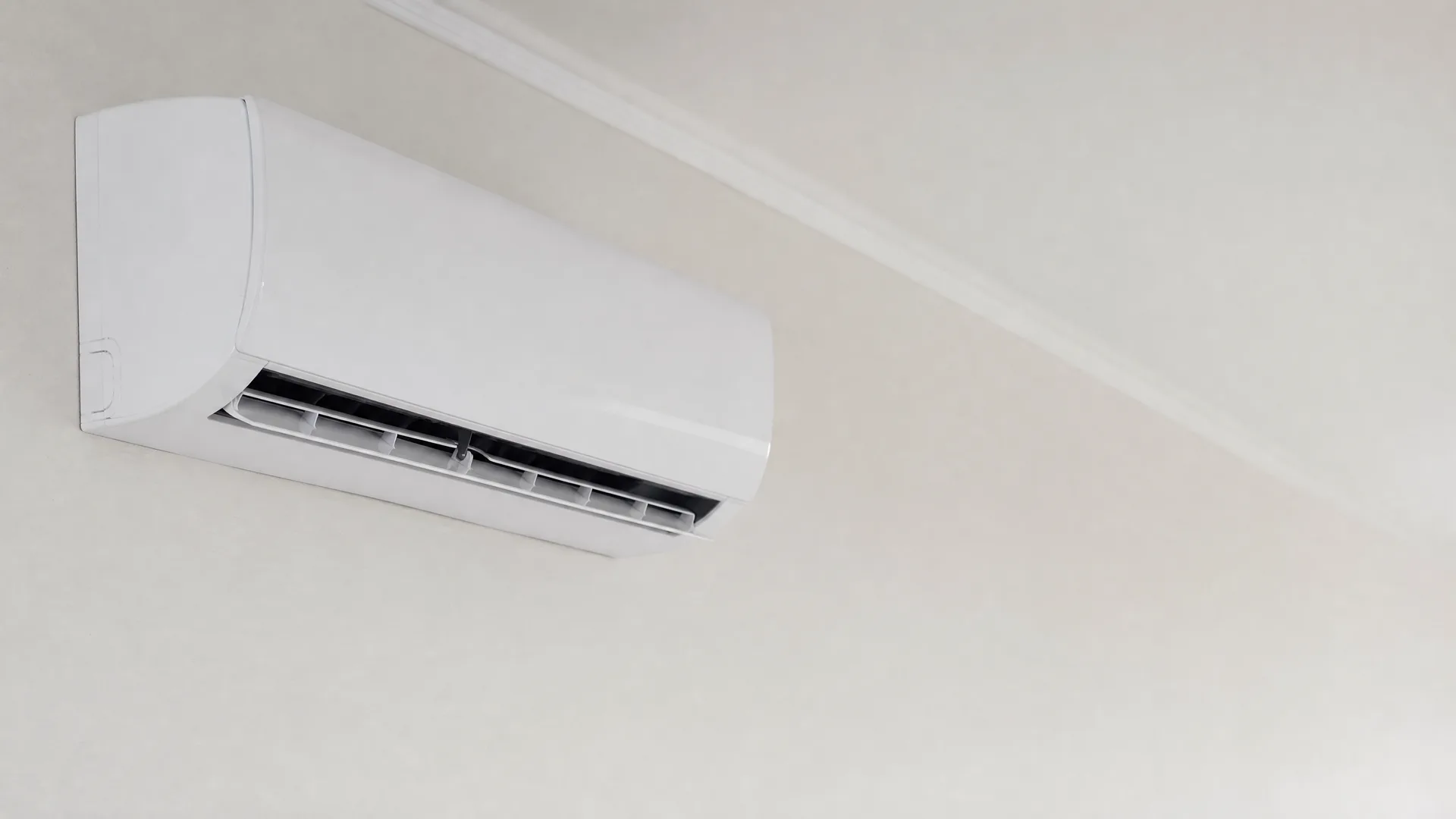
A white wall-mounted mini-split air conditioner indoor unit with dark louvered vents, installed near the ceiling on a beige wall below white crown molding.

Undersized or aging in place

A mini split too small for the space, or one that's been working the basement for years past its prime, runs long stretches without catching up. Dust builds on the housing, the louvers struggle to push air across the room, and the basement stays a few degrees off no matter how long it runs.

A man in a dark blue shirt stands in an open front doorway of a stucco and wood-clad house, facing a blond woman seen from behind in the foreground on a stone walkway.

What an undersized or poorly placed unit means for your basement

If the mini split in your basement is too small for the space, you'll feel it on the coldest nights first. The far corners stay chilly, the unit runs almost nonstop trying to catch up, and the room never quite settles at the temperature you set. Where the indoor head sits matters too. Mounted too close to the stairs or blocked by a sectional, it pushes warm air where you don't need it and leaves the rest of the basement short.

Getting the size and placement right for your basement, not just the square footage on paper but how the room is laid out and where the cold settles, isn't something you can judge by eye. A contractor who installs mini splits in South Carolina homes can walk the space, measure it properly, and tell you what unit and placement will actually hold heat down there in January. That's the part worth getting matched on, rather than guessing and finding out on the first cold night whether you guessed right.

Interior corner of a living room with a beige upholstered sofa and dark cushion in the foreground, a ceramic vase of leafy branches on a dark side table by a curtained window, a framed picture on the wall, and a wood-surround fireplace at right.
  1. The thermostat calls for heat and the indoor unit turns on.

  2. The outdoor unit's compressor pulls in cold refrigerant gas.

  3. Compressing that gas raises its temperature before it moves inside.

  4. The indoor coil releases that heat into the basement air.

What are you noticing in the basement this winter

You check the basement in the evening and the air feels thinner than the rest of the house, even with the unit running. Maybe the vent blows warm but the far side of the room stays cool, or the unit short cycles, kicking on and off every few minutes instead of settling into a steady run. Some nights it never seems to catch up at all. A basement that can't hold its heat on a cold night usually means the mini split is undersized for the space or was placed where it can't move air into every corner. Left alone, that gap shows up as a higher bill for less comfort, and in a basement, the cold corners are often where moisture settles too.

A smiling bearded man in a navy crewneck sweater sits at a dinner table with a glass of red wine, plates and glasses in the foreground, in a dimly lit room with a lamp and framed picture behind him.
A woman in a dark gray sweater reclines on a light sofa with eyes closed and a slight smile, under a textured gray blanket with an open book resting on her lap, with a lit table lamp and plant in the background.

A local pro for your mini split installation

A basement mini split that's sized and installed right will keep working through a South Carolina winter without you thinking about it. One that isn't shows its limits on the cold nights, not the mild ones, and by then you're already living with a cold corner or a unit that won't shut off. Getting the sizing and placement right from the start is what decides which of those you end up with. That means knowing the basement's square footage, where the walls lose heat, where the unit can actually move air to every part of the room, and matching equipment to all of it. Most homeowners don't have the time to call around to contractors, explain the basement's layout and problems to each one, and sort through different quotes to figure out who actually knows how to size a unit for a space like this. Handing that off now means the next call you make is to someone who already understands what your basement needs before they walk in.

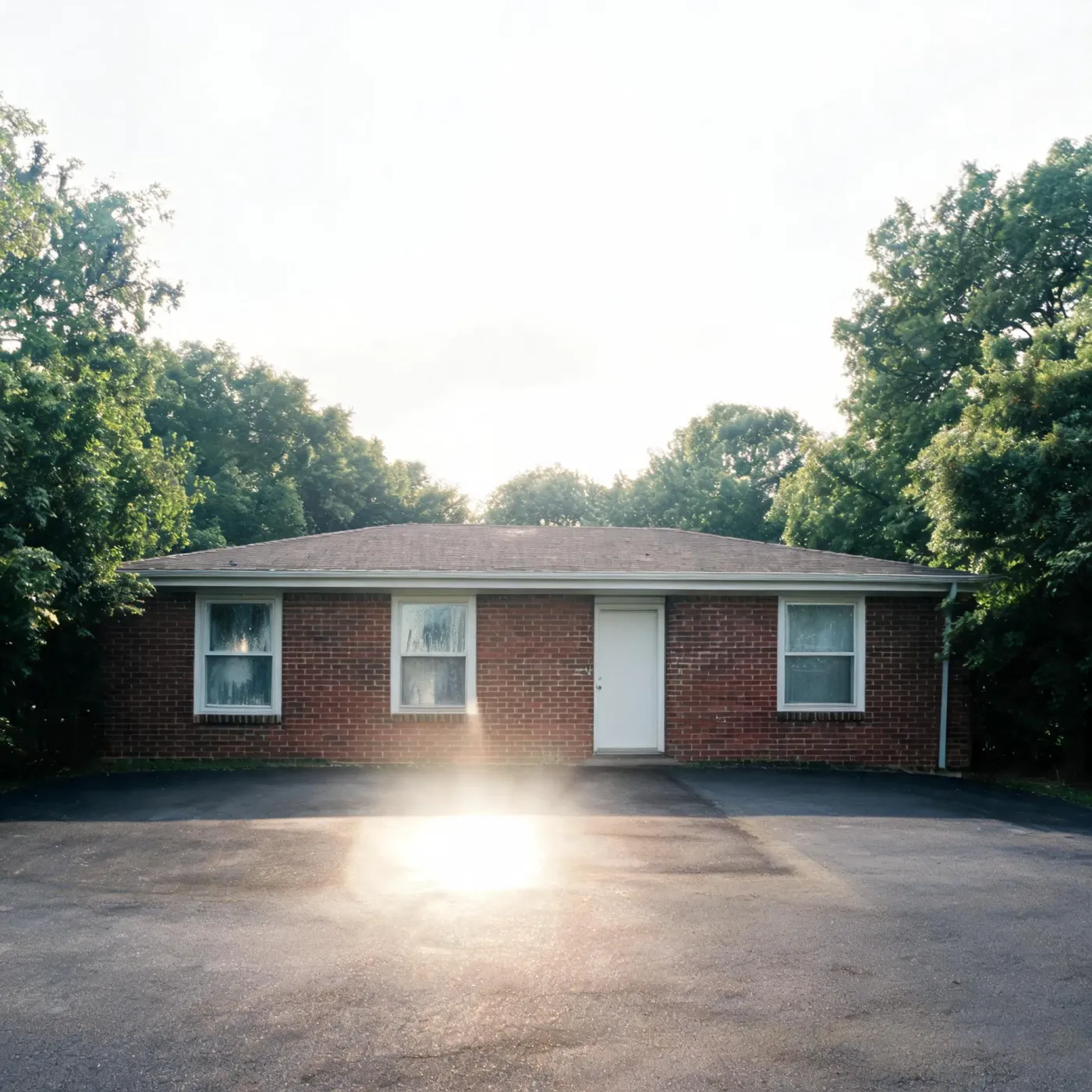
A single-story red brick house with a white door and three white-framed windows, fronted by an asphalt parking area with sun flare, surrounded by green deciduous trees under a bright hazy sky.

That same humidity works in the mini split's favor come winter. A summer dew point averaging 69°F, from NOAA climate data, means the outdoor unit spends half the year moving heavy, moisture laden air, so by January it's handling drier, lighter air that's easier to pull heat from. You won't see this in the basement directly, but it shows up as steadier output on cold nights, the unit not straining the way it might in a climate that swings harder between seasons.

NASA POWER T2MDEW county cells weighted by homes

Finding an installer yourself or getting matched

Hiring it out yourself

  • You search for contractors who install mini splits and work in basements specifically, since not every installer sizes for below grade spaces the same way.
  • You call each one, describe the basement, the square footage, and what you're seeing on cold nights, then repeat it to the next company.
  • You wait on quotes to come back, sometimes days apart, and line them up against each other without knowing if they priced the same scope of work.
  • You ask around or dig through reviews trying to tell a contractor who sizes correctly from one who guesses and hopes it's close enough.
  • You field callbacks and voicemails while you're trying to get through an evening, and the search drags into a second or third week.

Getting matched

  • You answer a few questions about your basement and what the mini split is doing, once, and a contractor who serves your area gets in touch.
  • You skip the round of cold calls to installers who may not even cover South Carolina or basement installs.
  • You're not the one sorting through quotes line by line trying to guess which contractor actually sized the unit for the space.
  • The contractor reaching out already knows roughly what you're dealing with, so the first conversation isn't a cold start.
  • You spend your evening on what you'd rather be doing instead of working the phone to find someone who installs these.
A white wall-mounted mini-split air conditioner indoor unit installed near the ceiling on a plain beige wall.

A professionally planned install

A contractor who sizes the mini split for your basement walks the room first. They check the square footage, where the walls meet the ground, and where the line set can run to the outdoor unit. They place the indoor head where it can actually reach the far corners instead of blowing warm air at the wall closest to the door. That planning is why the unit holds its temperature on a cold January night instead of running nonstop and still falling short.

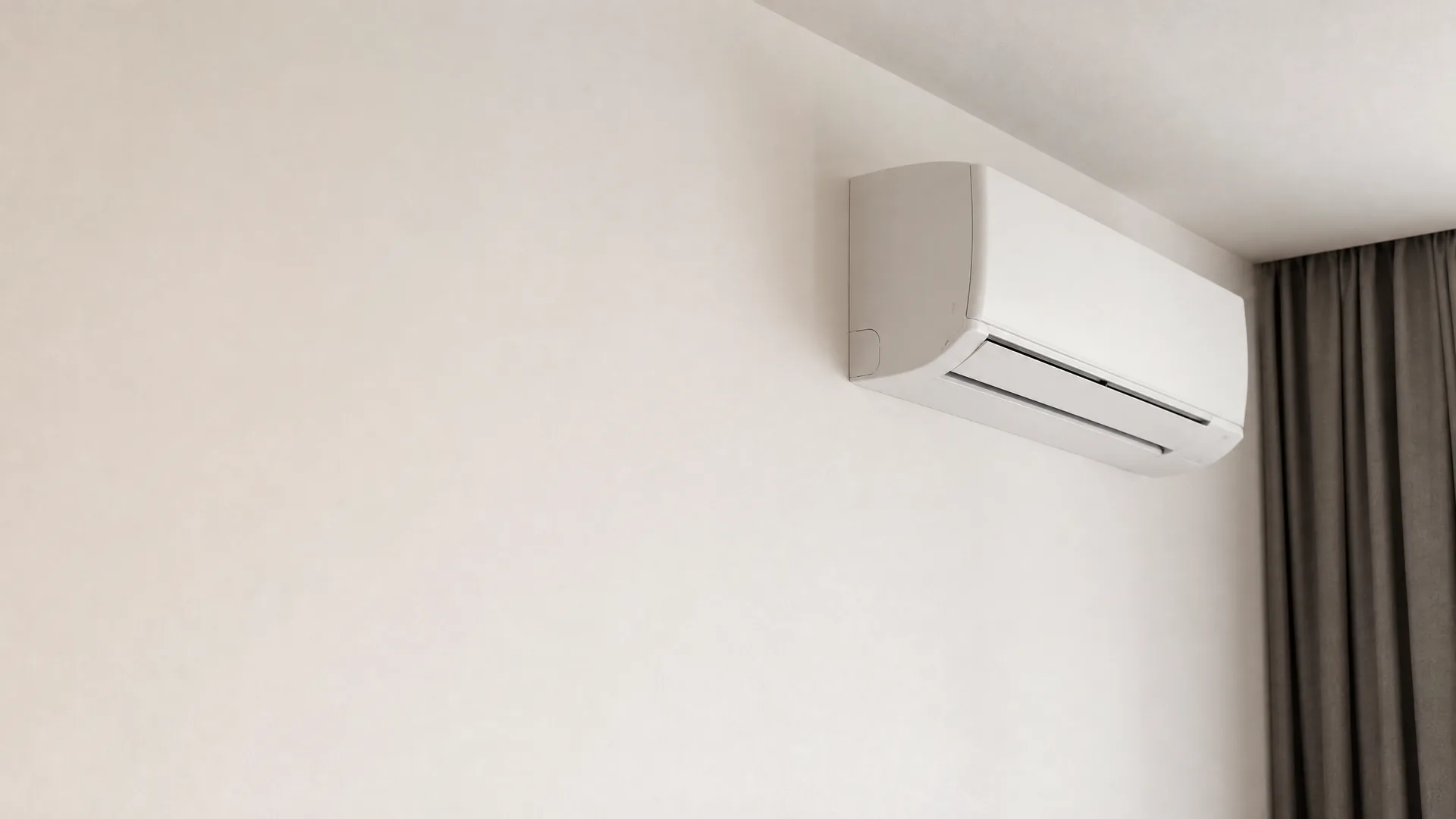
A white wall-mounted mini-split air conditioner on a plain off-white interior wall, with a gray curtain at the right edge.

A rushed or mismatched install

A mini split put in without accounting for the basement's layout often ends up undersized or badly placed. The indoor head might sit too close to the stairs, missing half the room, or the unit itself might be rated for a space smaller than what it's actually heating. On a mild evening you might not notice. On a 30 degree night you will, because the far side of the basement stays cold no matter how long the unit runs.

A mini split can heat a South Carolina basement through the winter, down to the coldest nights, if it was sized for that room and installed with the line set and drainage a below grade space needs. Get that right and the basement holds heat the same way the rest of the house does, without running up the bill. Get it wrong and you'll know by January, when the far corners stay cold and the unit won't stop running. The part that's hard to do on your own isn't understanding this, it's finding someone who sizes for basements specifically, getting them on the phone, walking them through the room's square footage and layout, and doing that again with the next contractor so you have something to compare. That's the part that goes away once you're matched with someone who already does this work. What stays the same is that the equipment still has to be right for the room, and the room still has to be checked against the numbers rather than guessed at.

Dark metal roofs and a stone chimney of a house seen from above, framed by moss-draped trees, with forested hills and hazy mountains under a cloudy sky in the background.

Get the right pro for your mini split

Describe it once

There's no charge for the request.

A cold basement corner usually means the unit was never matched to that room in the first place. Sending the request gets you a contractor who sizes for below grade spaces, so you skip the calls to installers who treat a basement like any other room.